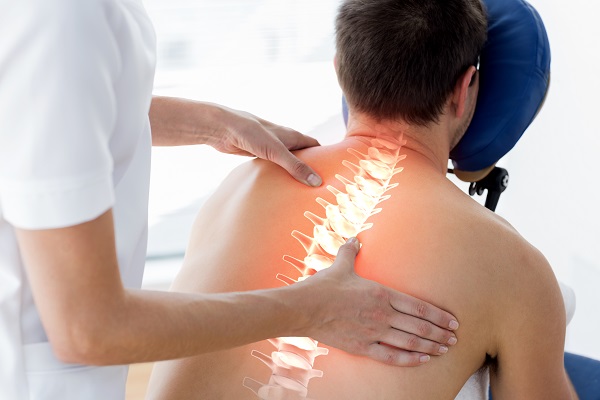


Understanding Shoulder Pain: A Restriction That Impacts Daily Life
Shoulder pain is more than just discomfort—it’s a limitation. Whether it’s difficulty reaching, lifting, dressing, or even sleeping, shoulder issues can interfere with your ability to live and move freely. At Acme Physiotherapy, we specialize in diagnosing and treating shoulder pain at the root level—helping you regain strength, mobility, and confidence through evidence-based, non-surgical physiotherapy.
Where and How Shoulder Pain Occurs
The shoulder joint is highly mobile but also vulnerable. Pain may stem from the rotator cuff, joint capsule, ligaments, or surrounding muscles. It may develop gradually due to overuse or appear suddenly from trauma or poor posture. Pain may present as:
- A dull ache when resting
- Sharp pain when lifting the arm
- Restricted range of motion
- Clicking or popping sensation
- Pain that worsens at night or during movement
Common Symptoms of Shoulder Pain
- Pain with overhead or rotational movement
- Limited range of motion or joint stiffness
- Weakness in the arm or shoulder
- Pain while sleeping on the affected side
- Clicking, catching, or popping sounds
- Swelling or inflammation in the shoulder area
What Causes Shoulder Pain?
Understanding the underlying causes of neck pain is essential to treating it effectively and preventing long-term issues. At Acme Physiotherapy, we focus on identifying what’s truly behind your neck discomfort—so we can treat it with precision and care..
🔍 Common Causes Include:
- Rotator Cuff Injuries
Strain, tear, or inflammation in the muscles/tendons that stabilize the shoulder. - Frozen Shoulder (Adhesive Capsulitis)
Thickening and tightening of the joint capsule causing stiffness and severe mobility restriction. - Shoulder Impingement
Tendons pinched between bones during arm movement, causing inflammation and pain. - Poor Posture or Sedentary Habits
Rounded shoulders, slouched spine, and long screen time create imbalance and joint stress. - Trauma & Injuries
Dislocations, fractures, or ligament injuries from falls, sports, or accidents. - Arthritis & Degeneration
Age-related wear and tear causing joint pain and reduced range of motion.
- Rotator Cuff Injuries
Shoulder Pain Treatment at Acme Physiotherapy
Our rehab programs are custom-designed using modern physiotherapy techniques and a holistic, patient-first approach.
Our Multidimensional Shoulder Rehab Includes:
- Manual Therapy
Mobilization and soft tissue release to ease stiffness and improve movement. - Therapeutic Strengthening
Exercises to build rotator cuff stability, scapular control, and functional strength. - Postural & Movement Re-Training
Correct faulty mechanics and reduce stress on the shoulder joint. - Dry Needling or Kinesiology Taping
For deep muscle release and joint support, if needed. - Electrotherapy / Heat Application
To manage pain, inflammation, and promote healing. - Patient Education & Ergonomic Advice
Ensuring you avoid re-injury and adapt healthy movement patterns.
🔁 Shoulder Pain Prevention:
Recovery is just the beginning. At Acme, we help you build sustainable shoulder health through:
- Strengthening weak muscles
- Stretching tight structures
- Improving posture and alignment
- Educating about proper technique and workplace ergonomics
- Encouraging regular movement and physical activity
🩺 When Should You See a Physiotherapist?
You should book an assessment at Acme Physiotherapy if you experience:
- Shoulder pain that limits movement
- Weakness or instability in the joint
- Pain that interferes with sleep or daily function
- History of trauma, strain, or dislocation
- Pain that persists beyond 2–3 weeks despite rest
🎯 Ready for Long-Term Relief?
Don’t wait for the pain to worsen. At Acme Physiotherapy, we’re here to help you move freely, live comfortably, and recover fully—with expert-led shoulder rehab designed around you.
👉 Book your consultation today and take the first step toward lasting shoulder freedom.
How Shoulder Pain is Diagnosed at Acme Physiotherapy
Correct diagnosis is the foundation of successful rehab. At Acme Physiotherapy, we follow a step-by-step assessment process to pinpoint the root of your shoulder issue:
Step-by-Step Diagnostic Process
- Detailed History Taking
Review of pain duration, onset, activity patterns, and previous injuries. - Physical & Orthopedic Tests
Movement assessment to check range of motion, muscle strength, impingement signs, and joint mechanics. - Postural Analysis
Identifying how your posture, spine, and shoulder blade alignment may be contributing to your symptoms. - Neurological Examination
To rule out nerve impingement, especially in radiating pain or numbness cases. - Advanced Imaging (If Required)
- X-ray – For structural alignment or arthritis
- MRI / CT Scan – For rotator cuff tears, ligament damage, or inflammation
- Ultrasound – For tendon or bursa-related pain